
Mask Buying Guide
It is about fit, visibility, and comfort. How to test for a proper seal, compare lens types and avoid common buying mistakes to improve your dives.
Start here for clear, unbiased gear advice. Each guide explains how to choose well, what features matter, and when to rent or buy based on how often and where you dive. Use the links below to jump straight to the item you are researching.
It is about fit, visibility, and comfort. How to test for a proper seal, compare lens types and avoid common buying mistakes to improve your dives.

They can change your power, control, and comfort. Paddle vs split, open heel vs full foot. Match stiffness, buoyancy, and strap type to your diving style.

Learn the differences between boots and dive shoes, which you need based on fins and environment, and when neoprene socks are useful.

Blisters, cold toes, and suit struggles are avoidable with the right socks. Compare neoprene socks vs Lycra socks for easy entry and chafe prevention.

Mask fog comes from condensation on the lens. Spit and baby shampoo work, but Stream2Sea defog is safer, consistent, and eco-friendly.

Compare jacket, backplate and wing, and hybrid designs, and weigh customization against current and future dive goals to choose the best fit.

How to choose the right wetsuit for your diving, with fit advice, water temperature ranges, and a flexible 3mm plus EXOWEAR layering approach.

Compare weight systems and their effects on trim, balance, and comfort.

Contacts or glasses, you do not have to settle for blurry dives. Choose between prescription masks, contacts, and stick on readers to see clearly and dive safely.

Learn what matters in a dive computer, from readability and algorithms to air integration, backup strategy, and when Shearwater is worth the upgrade.

How to choose a reliable scuba regulator: balanced diaphragm design, environmental sealing, 300-bar DIN, 4 LP and 2 HP ports, and practical service support.

Understand SMB vs dSMB, how to choose size and inflation, and how to deploy from depth without tangles or loss of control.

Learn the differences, use cases, and materials so you do not waste money or fight tangles. And why spool is almost always the correct answer.

Compare real world options like crates for local dives, dry bags for day trips, and roller suitcases for travel to protect gear and make dive days easier.

An ill-fitting mouthpiece causes fatigue and discomfort. Use your own regulator, choose a comfortable fit, and replace worn mouthpieces regularly.

Modern divers favor compact line cutters or trauma shears over bulky knives. Carry tools you can reach, deploy, and trust under stress.

It does more than illuminate, it improves safety and team communication. Learn primary vs backup roles and the features that matter.

Use bolt snaps for essential gear, avoid plastic clips and clutter, and store extras in pockets. Keep setups simple and streamlined.
Compare analog pressure gauges and air-integrated dive computers to choose what fits your diving.
Why a 300-bar DIN regulator makes more sense than yoke: better O-ring protection, higher pressure capability, broader valve compatibility, and no need to convert later.
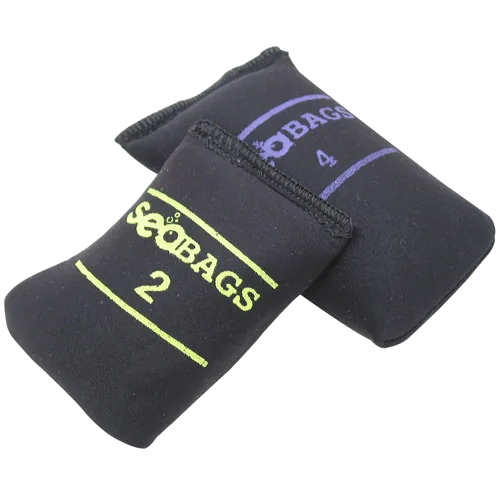
Are ditchable weights necessary for a properly balanced rig? Examine accidental weight loss, BCD failures, and the case for addressing the original buoyancy problem.

A drysuit is not mandatory, but in consistent cold water it often becomes the most logical long-term choice. So what to buy, how and why?

Hard and soft Goodman handles behave very differently. Learn pros and cons, why cheap soft handles are a bad idea, and what keeps your light secure.