Dive Planning: Gas Management and Pre-Dive Preparation
Planning a dive is more than picking a site and jumping in. Good planning means understanding your gas needs, choosing safe depth limits, and running simple pre-dive routines that keep you and your team ready before you ever descend.

Pre-Dive Checks
Turn gear checks into a standard habit so you are not relying on memory or rushed last minute inspections at the edge of the water.

GUE EDGE Dive Planning
Walk through the GUE EDGE framework and see how a simple, repeatable structure makes dives more predictable for you and your buddy or team.

Understanding Nitrox
Understand Nitrox, its real benefits, limits, and safe depth planning. Learn how it reduces nitrogen load and how to use it correctly on recreational dives.
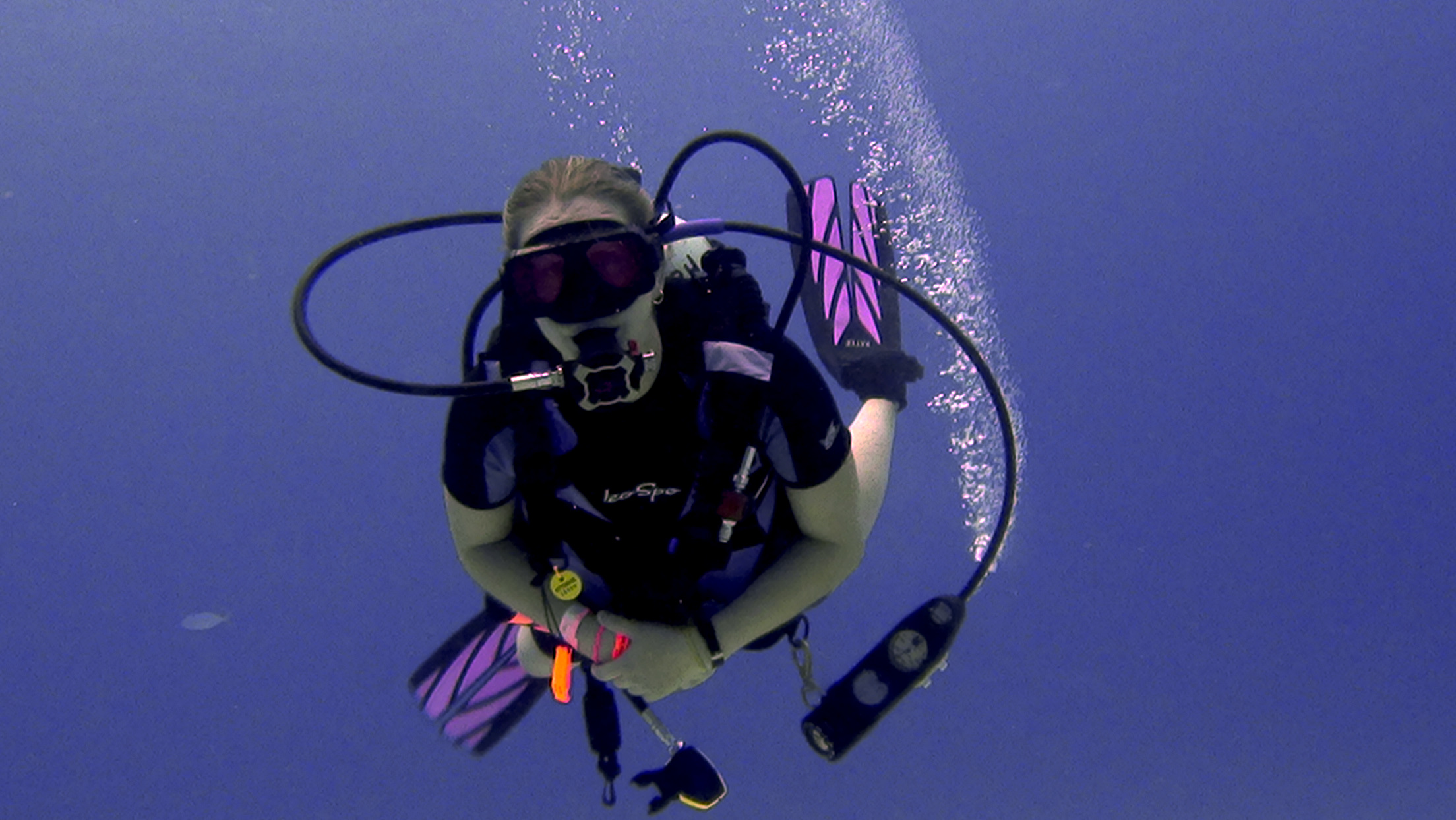
Do a Bubble Check
Every dive should include a bubble check as part of your pre-dive routine. A bubble check is your last chance to spot gear failures before a dive.

Minimum Gas Reserve
Calculate your minimum gas reserve with the CAT formula. 100 ft example, ATA math, AL80 PSI conversion, and why divers round up for safety.

Recreational Gas Planning
Practical recreational gas planning: RMV basics, Minimum Gas Reserve, and turn pressure methods. Equations and examples included.